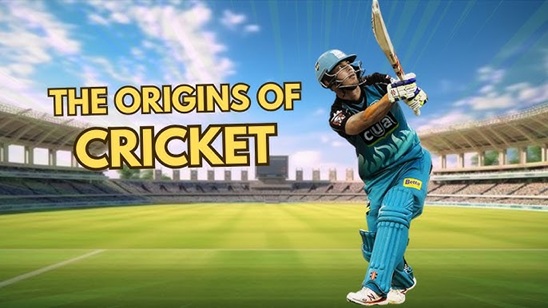

Cricket isn’t just a sport it’s a living, breathing timeline of unforgettable moments, legendary players, and cultural milestones. From its humble beginnings in village greens to packed international stadiums, cricket has evolved in ways that mirror history itself. For fans and newcomers alike, understanding this evolution adds a richer layer of appreciation to every match, every innings, and every record broken.
One of the most engaging ways to explore this progression is through visual storytelling. Whether you’re a content creator, a cricket enthusiast, or a historian at heart, tools that help you create a video can bring the sport’s history to life. Imagine turning iconic events like World Cup victories, record-breaking centuries, or dramatic last-over finishes into dynamic, shareable narratives that captivate audiences across platforms.
From Origins to Global Phenomenon
Cricket’s roots date back to 16th-century England, where it was played by children in rural areas. By the 18th century, it had become a national sport, with the formation of clubs and the establishment of formal rules. The creation of the Marylebone Cricket Club (MCC) in 1787 marked a turning point, as it became the guardian of the laws of cricket.
As the British Empire expanded, so did the reach of cricket. Countries like India, Australia, South Africa, and the West Indies embraced the sport, each adding their own flair and passion. Today, cricket is a global phenomenon, with billions of fans and a calendar packed with international tournaments and domestic leagues.
The Rise of Iconic Moments
Every era of cricket has its defining moments. Don Bradman’s near-mythical batting average, Kapil Dev’s 175* in the 1983 World Cup, and the nail-biting finish of the 2019 World Cup final these are more than just statistics. They are stories that deserve to be told and retold.
Visual content plays a crucial role in preserving these memories. A well-crafted video can capture the emotion of a match, the tension of a close finish, and the joy of victory in ways that text alone cannot. For bloggers and content creators, this presents an अवसर to connect more deeply with audiences.
Why Visual Storytelling Matters in Cricket Content
In today’s digital landscape, attention spans are shorter, and competition for engagement is fierce. Articles that incorporate multimedia elements especially videos tend to perform better in terms of both SEO and user engagement.
Here’s why video content is particularly powerful for cricket storytelling:
- Emotional Impact: Seeing a player celebrate a century or a team lift a trophy evokes stronger emotions than reading about it.
- Shareability: Videos are more likely to be shared on social media, increasing reach and visibility.
- Clarity: Complex moments, like controversial decisions or strategic plays, are easier to understand visually.
Practical Tips for Creating Cricket Timeline Content
If you’re looking to build compelling cricket-related content, here are some actionable tips:
1. Focus on a Clear Theme
Instead of covering everything, narrow your focus. For example, you could create a timeline of World Cup winners, legendary captains, or the evolution of T20 cricket.
2. Use Reliable Sources
Accuracy is key, especially when dealing with historical content. Cross-check dates, scores, and player achievements to maintain credibility.
3. Blend Text with Visuals
Don’t rely solely on written content. Use images, infographics, and videos to enhance the storytelling experience.
4. Keep It Engaging
Write in a conversational tone. Ask questions, share anecdotes, and invite readers to reflect on their favorite moments.
5. Optimize for SEO
Use relevant keywords naturally, structure your content with headings, and ensure your page loads quickly. These factors help your content rank better on search engines.
Real-Life Example: Bringing a Match to Life
Imagine revisiting the 2005 Ashes series. Instead of just listing scores and outcomes, you could create a short video highlighting key moments like Flintoff’s iconic over or the dramatic finish at Edgbaston. Pair this with a narrative that explains the context and significance, and you’ve got content that resonates on multiple levels.
This approach not only informs but also entertains, making it more likely that readers will stay on your page longer and return for more.
Conclusion
Cricket’s timeline is rich with stories waiting to be told. By combining thoughtful writing with engaging visuals, you can transform historical data into compelling narratives that جذب and inspire. Whether you’re documenting the sport’s past or analyzing its present, the key lies in how you present the story.
As digital content continues to evolve, those who embrace multimedia storytelling will stand out. So take the leap, explore creative tools, and start turning cricket’s greatest moments into experiences your audience will never forget.